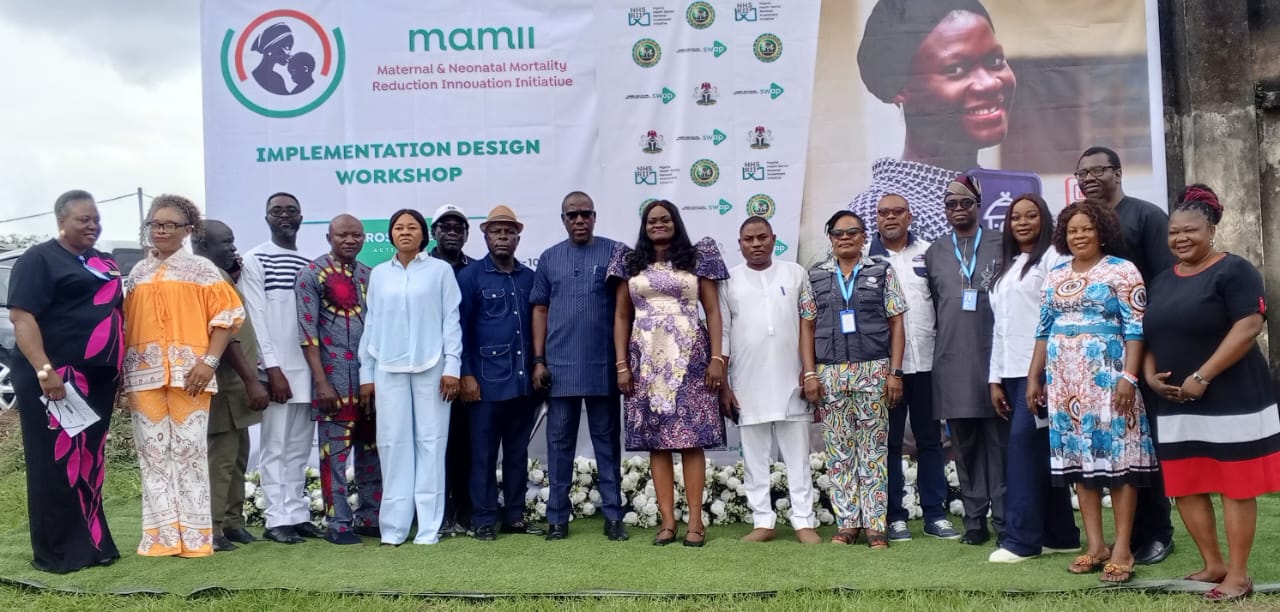
By Joe Ephraim, Calabar
Health experts and stakeholders in Cross River State have identified the absence of an emergency referral system as a major factor contributing to the high rates of maternal and neonatal deaths across several local government areas.
Other factors highlighted include poor road networks, negative attitudes among some healthcare workers, inadequate funding, and low community participation in health initiatives.
“To address these challenges, the state has launched the Maternal and Neonatal Mortality Reduction Innovation Initiative (MAMII), with Abi Local Government Area selected as the pilot site.”
“A 22-member task force has been inaugurated to oversee the effective implementation of the program, coordinate stakeholders’ activities, monitor progress, and ensure sustainability through community ownership and resource mobilization”.
The MAMII project is part of a broader national effort aimed at reducing preventable maternal and newborn deaths and improving healthcare outcomes for women and children. The initiative targets a 30 percent reduction in maternal and newborn deaths and a 60 percent increase in health facility utilization in high-burden areas by the year 2030.
Speaking during a strategic planning session in Calabar, Dr. Vivien Otu, Director General at the Cross River State Primary Health Care Development Agency, said the planning process involved extensive consultations with pregnant women, community leaders, and healthcare workers to identify key barriers to maternal healthcare.
“Our assessment using the Rapid Diagnostic Kit (RDK) and focused group discussions revealed that transportation costs and the lack of an emergency response system are major challenges,” Dr. Otu stated. “Cross River State currently has no functional emergency referral system, which is vital for the success of the MAMII program.”
She added that other issues identified include poor road conditions, inadequate community engagement in health programs, and insufficient funding for maternal and child healthcare services.
To tackle these problems, the state government has developed a comprehensive strategy document outlining interventions such as:Establishing an emergency response system for the rapid transportation of pregnant women facing complications to referral centers; Increasing community participation to promote program ownership and sustainability.
Also, the deployment of community health workers to assist in transporting pregnant women to health facilities; and integrating MAMII activities into the state’s Annual Operational Plan (AOP) to ensure budgetary support.
“MAMII is a more comprehensive and inclusive approach,” Dr. Otu explained. “We are addressing areas that were previously neglected, especially the emergency referral system, which will enable us to save more lives by ensuring timely access to care.”
Also speaking, Mr. Jonah Offor, Permanent Secretary, Cross River State Ministry of Health, described maternal mortality as a critical public health concern requiring urgent attention.
“Maternal mortality refers to women dying during pregnancy or childbirth, and it remains one of the most pressing health challenges,” Offor said. “As policymakers and healthcare providers, our priority is to make healthcare both accessible and affordable for all.”
The state government has pledged to sustain MAMII activities beyond initial federal support by integrating the program into state policies, ensuring adequate budgetary allocations, and strengthening institutional capacity.
Representing the Executive Chairman of Abi Local Government, Dr. Eloi Ideba expressed appreciation for Abi’s selection as the pilot site.
“It is an honor for our local government to serve as the focal point for this life-saving initiative,” he said. “We see MAMII as an opportunity to advance our Greater Abi Mantra and reaffirm the role of the health sector in improving lives.”
Community members have also expressed optimism about the program’s potential. Blessing Sunday Otu, a pregnant woman in Abi, described the initiative as timely.
“Many women have died giving birth due to the lack of proper emergency support,” she said. “It’s heartbreaking to carry a pregnancy for nine months only to face tragedy at delivery. I hope this initiative endures and that all pregnant women support and follow the government’s guidelines.”
Through MAMII, Cross River State aims to strengthen maternal and newborn healthcare systems, reduce preventable deaths, and ensure that no woman or child dies from causes that can be avoided.