By; Joe Ephraim, Calabar
The United Nations Children’s Fund (UNICEF) has called on journalists and media practitioners to intensify advocacy for exclusive breastfeeding, describing the media as a critical partner in promoting child survival, nutrition and sustainable development.
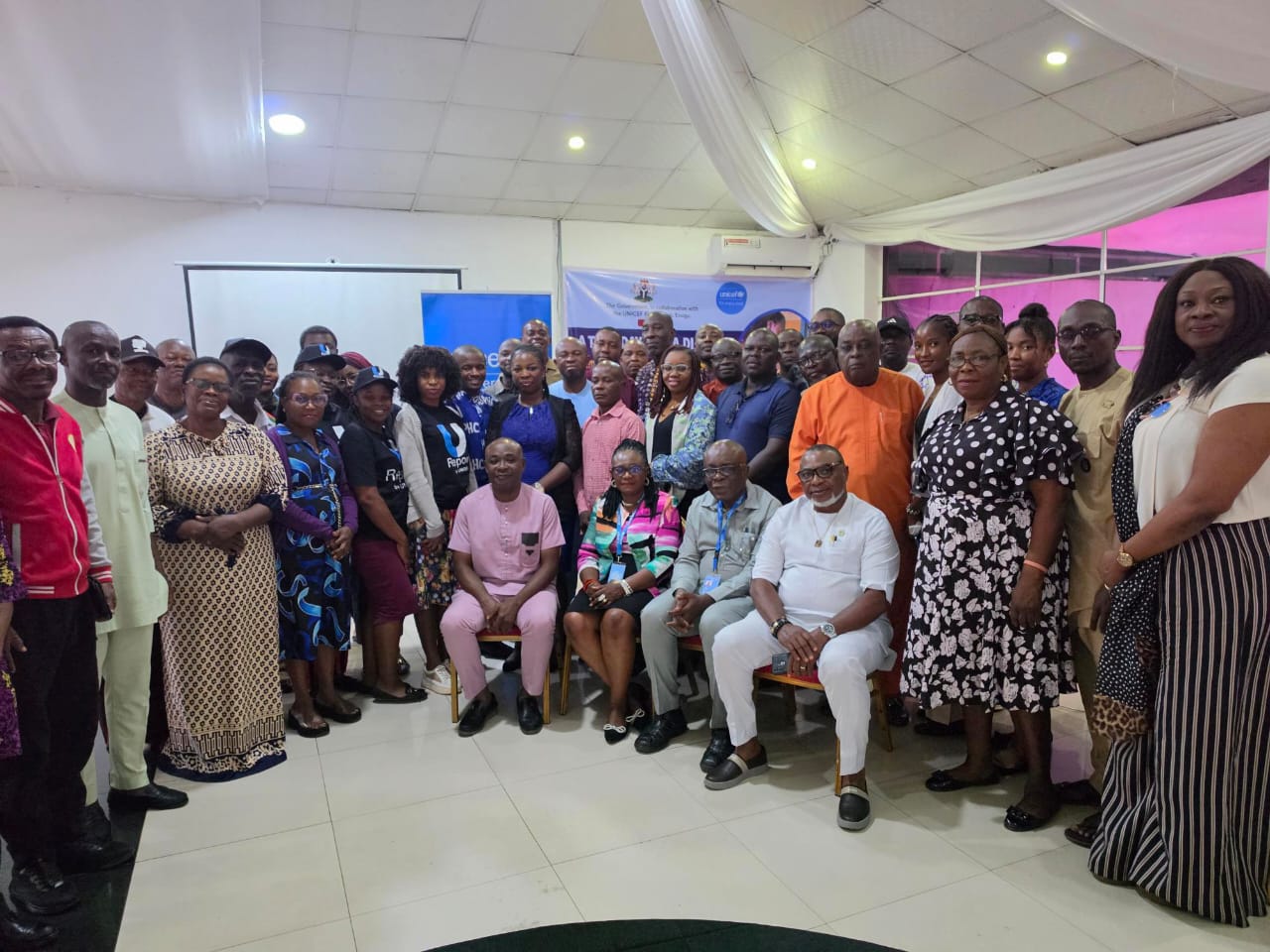
The call was made during a two-day media dialogue held in Enugu ahead of the 2026 World Breastfeeding Week, with participants drawn from Benue, Cross River, Enugu and Imo.
The dialogue was organised by UNICEF in collaboration with the Broadcasting Corporation of Abia State (BCA), with support from the United States Mission in Nigeria, Child Nutrition Fund, Gates Foundation and The Church of Jesus Christ of Latter-day Saints.
Speaking at the opening of the dialogue, UNICEF Health Specialist, Dr. Hilary Ozoh, said this year’s World Breastfeeding Week theme, “Breastfeeding for a Sustainable Start in Life: Strengthen What Works”, underscores the need for stronger partnerships to improve breastfeeding practices and ensure every child gets the best start in life.
He noted that breastfeeding remains one of the most effective and cost-efficient interventions for improving child health, strengthening immunity, enhancing cognitive development and reducing childhood illnesses, while also contributing significantly to maternal health.
According to him, despite overwhelming scientific evidence supporting breastfeeding, many mothers continue to face barriers including misinformation, harmful social norms, inadequate workplace support and inconsistent public messaging.
“The media is not merely a channel for information dissemination; it is a powerful partner in shaping public opinion, influencing public policy, amplifying evidence-based practices and inspiring positive behavioural change,” Ozoh said.
He explained that the media dialogue was designed to equip journalists with evidence-based information, harmonised advocacy messages and practical communication skills to improve reporting on maternal, infant and young child nutrition beyond the annual World Breastfeeding Week campaign.
Earlier, UNICEF communication Officer, Dr. Ijeoma Onuoha-Ogwe, urged participants to actively support breastfeeding advocacy through their various media platforms.
She said journalists have a responsibility to sustain public awareness by producing impactful stories that promote exclusive breastfeeding and encourage positive behaviour change in communities.
“Our assignment does not end in this hall. From tomorrow, you will go into the field to amplify breastfeeding messages through your various channels and help strengthen what works,” she said.
In a presentation, UNICEF Nutrition Specialist, Dr. Ngozi Onuora, expressed concern that exclusive breastfeeding rates in Nigeria have remained below expected levels despite years of interventions.
She noted that national breastfeeding rates have remained largely stagnant over the past decade, although some states have recorded improvements through sustained social and behaviour change interventions.
Onuora disclosed that Cross River State improved its exclusive breastfeeding rate from seven per cent in 2021 to 22 per cent in 2024, while Enugu also recorded significant progress. However, she noted that several states continue to record low breastfeeding rates ranging between 15 and 17 per cent.
She identified poor family support, misinformation, workplace barriers, aggressive marketing of breast milk substitutes and inadequate counselling as major factors discouraging exclusive breastfeeding.
The nutrition specialist explained that the 2026 World Breastfeeding Week campaign focuses on four key objectives: informing the public on the importance of breastfeeding, anchoring breastfeeding implementation through policies and guidelines, engaging stakeholders to strengthen collaboration, and galvanising collective action to improve breastfeeding promotion and support.
She also reaffirmed the World Health Organisation (WHO) and UNICEF recommendations that babies should be breastfed within one hour of birth, exclusively breastfed for the first six months without water, and continue breastfeeding alongside complementary foods up to two years or beyond.
Mr. Nkpa Okezie, the Desk Officer, representing the DG of Broadcasting Corporation of Abia, Francis Nwubani, noted that the station has maintained a longstanding partnership with the UNICEF Enugu Field Office.
“We are solidly in support of exclusive breastfeeding, and that is why we are here,” he said.
According to UNICEF, Nigeria currently has about 38 million children under the age of five, with an estimated 15 million stunted, 10 million wasted and 12 million anaemic. The agency further noted that about two out of every three Nigerian children are not exclusively breastfed.
The organisation stressed that strengthening family support, community engagement, workplace policies, government commitment and evidence-based media reporting remains essential to improving breastfeeding practices and ensuring a sustainable start in life for every child.
The media discussion included a presentation by Dr. Chikezie Obasi, a consultant Public Health Physician from the Department of Community Medicine at ESUT. He spoke on the subject, “Leveraging media for advocacy on infant and child survival and development: Strengthening what works for breastfeeding.
World Breastfeeding Week is observed annually from August 1 to 7 to promote breastfeeding as a key strategy for improving child survival, nutrition and national development.