By: Joe Ephraim, Calabar
Women in Cross River state’s coastal communities have raised the alarm over the growing impact of environmental degradation on fishing, farming and other sources of livelihood, warning that pollution, flooding and the destruction of mangroves are steadily undermining the economic survival of local families.
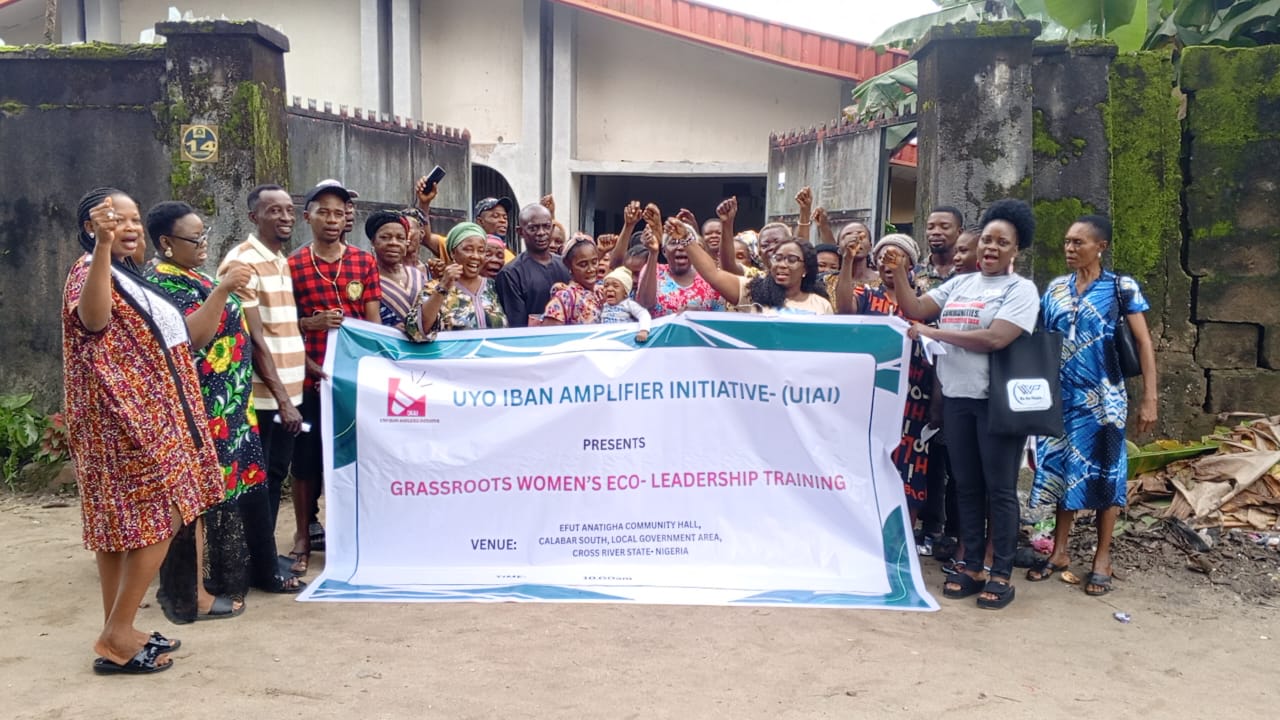
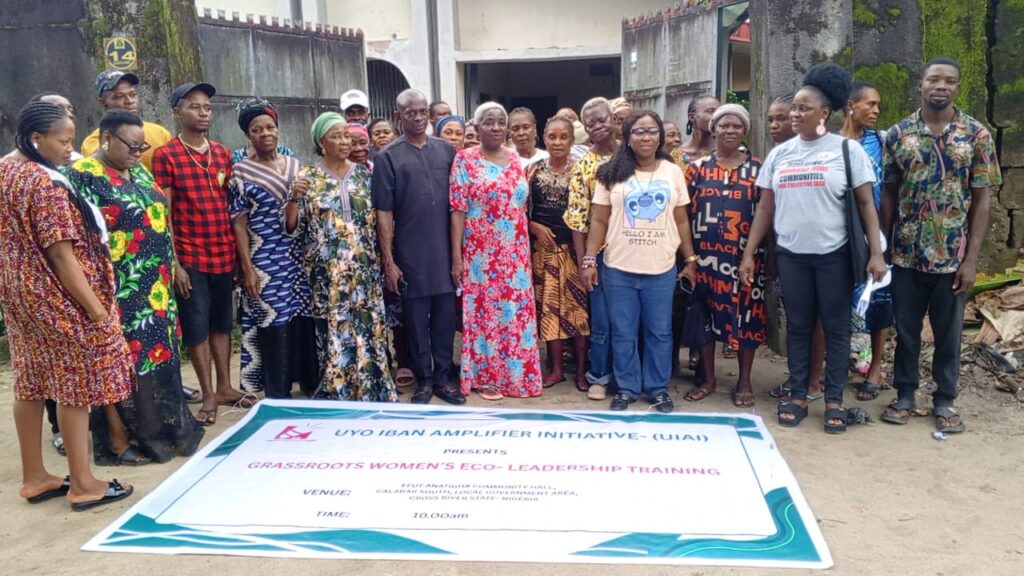
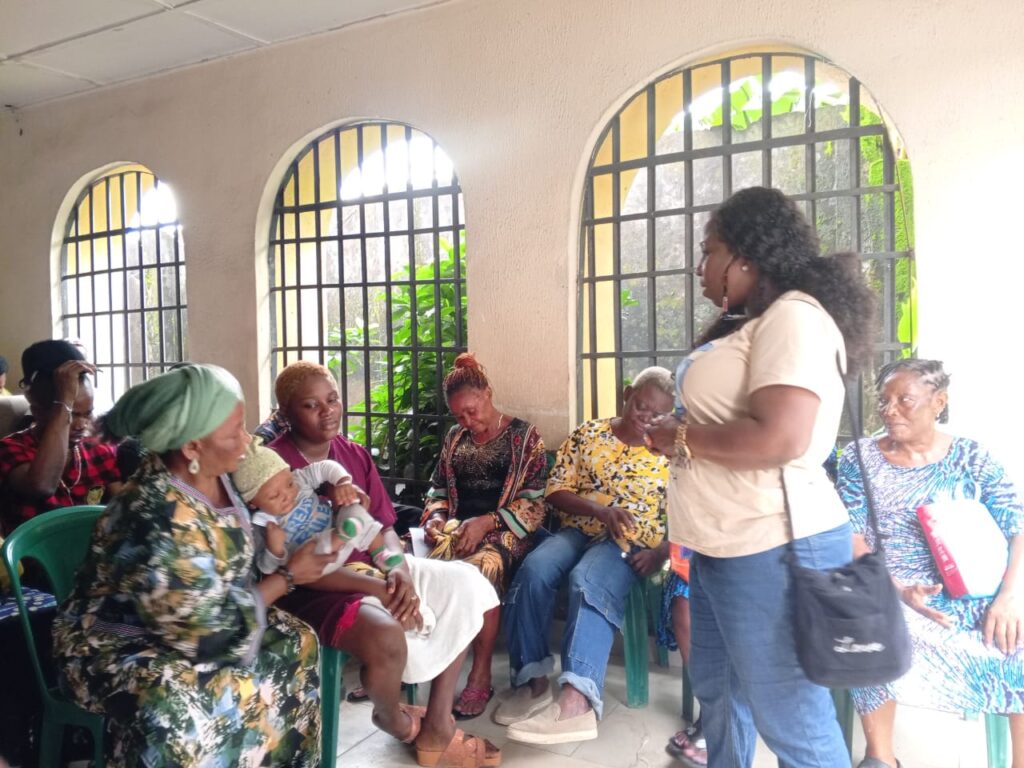
The women spoke at a Grassroots Women’s Eco-Leadership Training organised by the Uyo Iban Amplifier Initiative (UIAI) at Efut Anantigha, Calabar South Local Government Area of the state.
The training, held under the theme, “Women Resist,
The Earth Breathes: Strengthening Women’s Leadership for Grassroots Climate Justice,” focused on equipping grassroots women with knowledge and leadership skills to respond to climate change and environmental injustice.
Speaking during the programme, woman leader in the community, Her Royal Highness Mbonka Mrs Ekaette Abraham, blamed indiscriminate waste disposal for worsening pollution in the community’s waterways.
She said plastic waste and discarded sachet-water containers were regularly washed into rivers during rainfall, where they obstruct waterways and damage fishing nets.
According to Abraham, the pollution has made fishing more difficult for residents who depend on the water for their livelihood.
She further raised concerns over the indiscriminate cutting of nnunung, a mangrove vegetation used as firewood, warning that its destruction was affecting aquatic ecosystems.
She explained that mangroves provide breeding grounds for fish and other aquatic organisms, adding that their continued destruction was contributing to the decline in fish and periwinkle resources available to local residents.
The women leader also identified inadequate waste disposal facilities and blocked drainage channels as major environmental concerns, calling for more waste bins, improved drainage infrastructure and regular desilting of gutters.
“We need the government to intervene in these areas. We need enough dustbins in our area because the ones we have are not enough. We also need more gutters and the drainage channels should be cleared,” she said.
Also speaking, Mrs Joy Alex Ekanem, said the community, historically known for fishing, was witnessing a decline in economic activities, with women also suffering losses in farming and poultry production.
According to her, insecurity in the waterways had compounded the environmental challenges facing residents, making fish increasingly scarce and expensive.
Ekanem said heavy rainfall had also washed away vegetable farms, including waterleaf plantations, while poultry farmers had recorded losses following the destruction and death of birds.
She appealed to the government to provide financial and livelihood support to affected women, particularly those whose farms and businesses had been damaged by flooding.
Delivering the keynote address, the Cross River State Commissioner for Environment, Barr. Mensah Bassey Offiong, said women must occupy a central position in efforts to tackle climate change and environmental degradation.
Offiong said women were often the first to experience the consequences of environmental changes because of their roles in household water collection, farming, food production and other livelihood activities.
He noted that women were also among the first to identify environmental warning signs, including drying streams, crop failures, polluted water sources, flooding and declining fish stocks.
The commissioner represented by Director in the ministry, Akpa Agbor Akpa described women’s participation in environmental governance as a strategic necessity rather than an act of charity.
He said the state government was committed to involving women’s groups in the design and monitoring of erosion control and climate-related projects, while strengthening their capacity for environmental advocacy and governance.
Offiong also encouraged the women to champion community environmental initiatives, including tree planting, desilting, waste management and clean-up campaigns.
Earlier, the Coordinator of UIAI, Mrs Okoho Ene, said the training was part of the “Women Resist, The Earth Breathes” project aimed at empowering grassroots women to become effective advocates for environmental justice.
She said the initiative had been implemented across two different ecological settings in Cross River State—the forest community of Mfamosing/Abati in Akamkpa and the coastal community of Efut Anantigha in Calabar South.
Okoho said the choice of the two communities was intended to highlight the different environmental realities confronting women in forest and coastal ecosystems.
She urged participants to use the knowledge gained from the training to mobilise their communities, influence environmental decisions and demand accountability from relevant authorities.
The training ended with a renewed call for greater inclusion of grassroots women in climate and environmental decision-making, as well as urgent measures to protect the waterways, mangroves and farmlands on which coastal communities depend.