By:Joe Ephraim, Calabar
Cross River State has recorded a 48.5 percent reduction in soil-transmitted helminth infections as health authorities intensify efforts to protect children through the 2026 School-Based Deworming Programme.
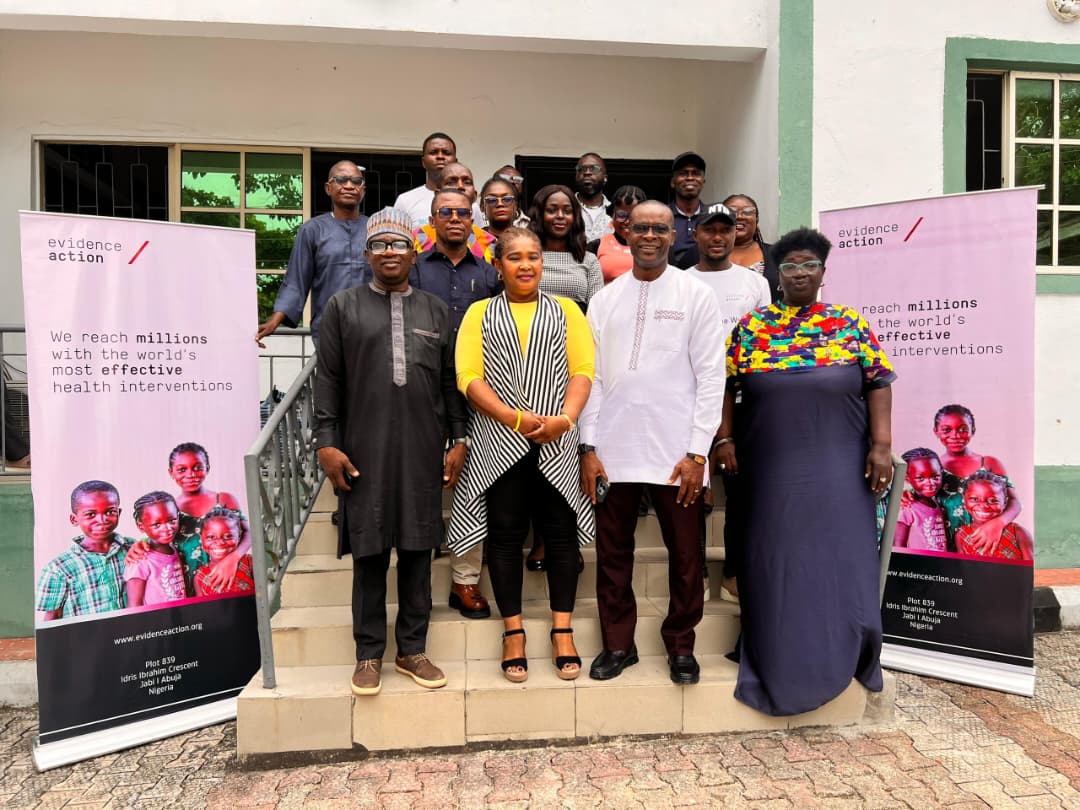
The development was disclosed during a one-day stakeholders’ workshop organised by Evidence Action, a global non-profit organisation that provides technical support to governments to implement large-scale deworming programmes aimed at reducing intestinal worm infections among school-age children.
Speaking at the event, Senior Manager of Evidence Action Nigeria and South-South Programme Lead, Toochi Ohaji, said the deworming intervention forms part of broader efforts to eliminate Neglected Tropical Diseases by 2030 in line with global health targets adopted by the World Health Organisation and the Federal Ministry of Health.
He revealed that an impact assessment conducted in collaboration with the Federal Ministry of Health showed that the prevalence of soil-transmitted helminth infections in Cross River has reduced by 48.5 percent, while cases of schistosomiasis have declined by 76 percent since the programme began in the state in 2016.
Ohaji described the progress as a major achievement, noting that the programme will continue to expand in order to sustain the gains already recorded.
He said the 2026 deworming exercise will focus primarily on soil-transmitted helminth infections, while treatment for schistosomiasis will be carried out in a later phase.
The Cross River State Programme Officer for Neglected Tropical Diseases, Veronica Mark, said the deworming campaign is designed to improve the health and academic performance of children by eliminating worm infections that affect their growth and concentration in school.
She explained that the programme targets children between the ages of five and fourteen years and will be implemented in schools and communities where the diseases are prevalent.
According to her, the medicines to be administered during the exercise are safe and will be provided free of charge, urging parents, school authorities and community leaders to cooperate with health workers and teachers who will visit schools to administer the treatment.
Mark also noted that the state government has made arrangements to ensure that children in hard-to-reach communities are not left out of the exercise.
The exercise is expected to run for five days, during which trained health workers and teachers will administer the medicines to eligible children in schools and communities.
She added that the programme will target hundreds of thousands of children across several local government areas, with stakeholders emphasising that collaboration between government, partners and the media is essential to ensure that every eligible child receives treatment.
On her part, Chairman of the Nigeria Union of Journalists in Cross River State, Comrade Archibong Bassey, commended Evidence Action and its partners for their efforts in improving child health across the state.
She noted that many parents sometimes forget to deworm their children regularly, making the school-based intervention an important public health initiative.
Bassey urged schools, parents and communities to support the exercise when health teams arrive for the programme.