By Joe Ephraim, Calabar
A youth-led initiative aimed at tackling menstrual health challenges and economic barriers among adolescents has recorded a significant milestone in Calabar, Cross River State, as students receive both education and practical skills under the Wellness and Integrated School Hygiene (WISH) Project.
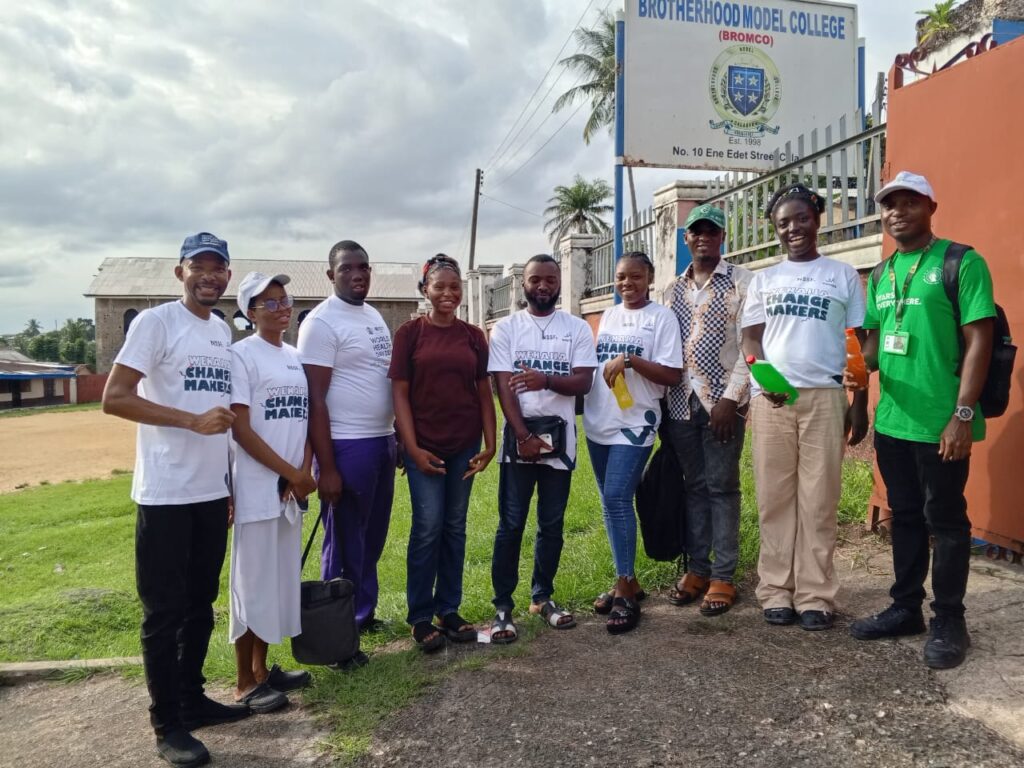
The project, implemented by BACASY Health Network International and led by National Health Fellow, Bassey Okon Ekpenyong, is part of the Wenaija Impact Cohort 2 programme sponsored by the Nigeria Solidarity Support Fund (NSSF).
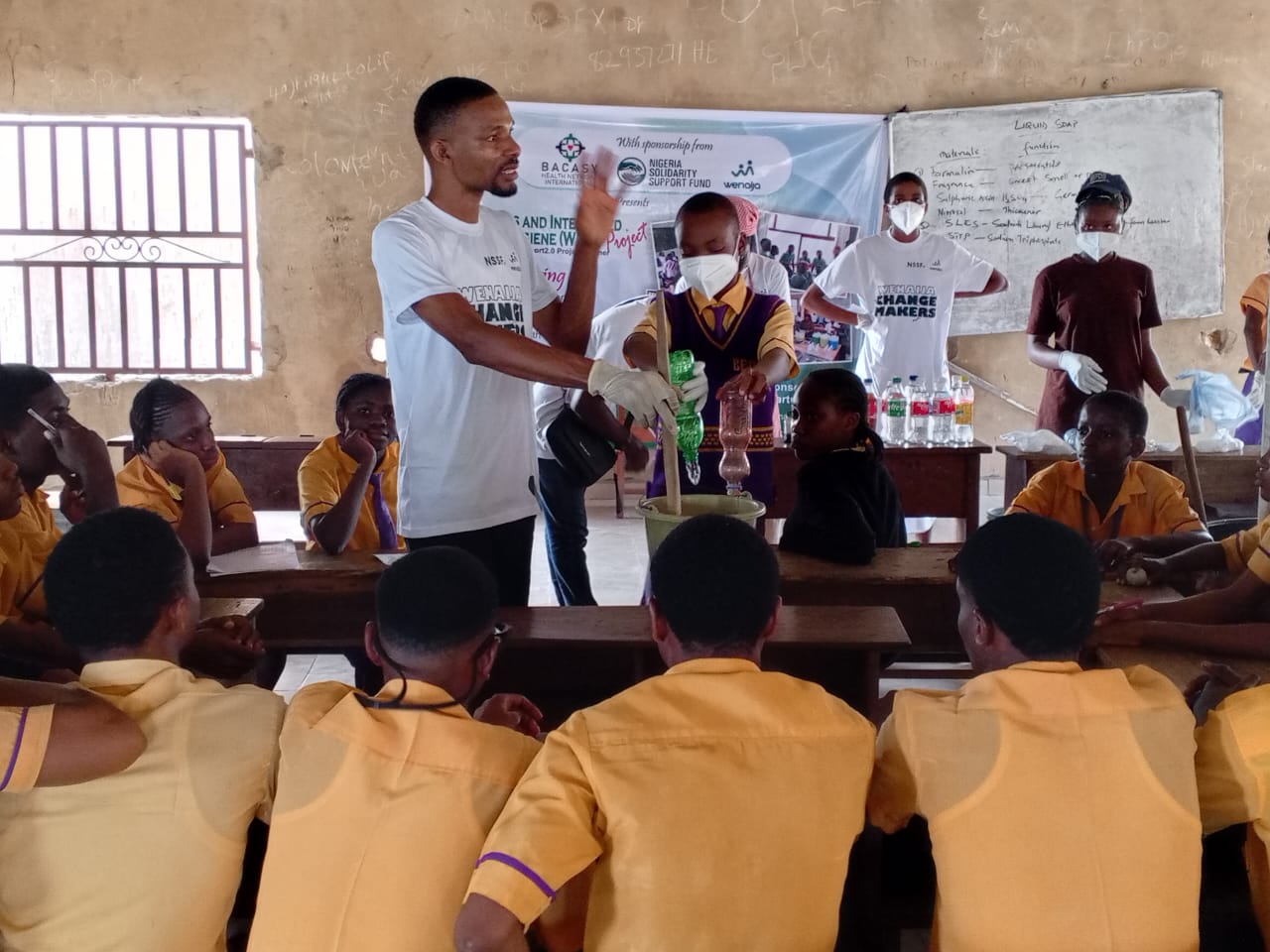
Speaking during a training session at Brotherhood Model College, Ekpenyong explained that the initiative goes beyond conventional awareness campaigns on sexual and reproductive health by addressing the underlying economic factors that hinder effective menstrual hygiene management.
“We realized that teaching students how to prevent health issues is not enough. In many cases, the problem is economic.
That is why we introduced a vocational component to equip them with practical skills that align with menstrual hygiene management,” he said.
The WISH Project focuses on sexual and reproductive health education, menstrual hygiene, and gender-based advocacy, while also promoting inclusivity by engaging both male and female students to reduce stigma and discrimination.
Ekpenyong noted that absenteeism among female students during menstruation remains a major concern, often driven by stigma, lack of access to sanitary products, and poor hygiene facilities.
To address this, the project incorporates hands-on training in the production of reusable sanitary pads, alongside lessons on proper usage, washing, drying, and maintenance.
“We are not just distributing sanitary pads; we are teaching them how to make reusable ones. When the ones we give finish, what happens next? This way, they can sustain themselves,” he added.
As part of the holistic approach, participants were also trained to produce soap specifically for washing reusable pads, ensuring hygiene standards are maintained.
“We are looking forward to partnerships with well-meaning Nigerians, NGOs, and donor agencies. The success of this pilot will determine how far we can go,” he said.
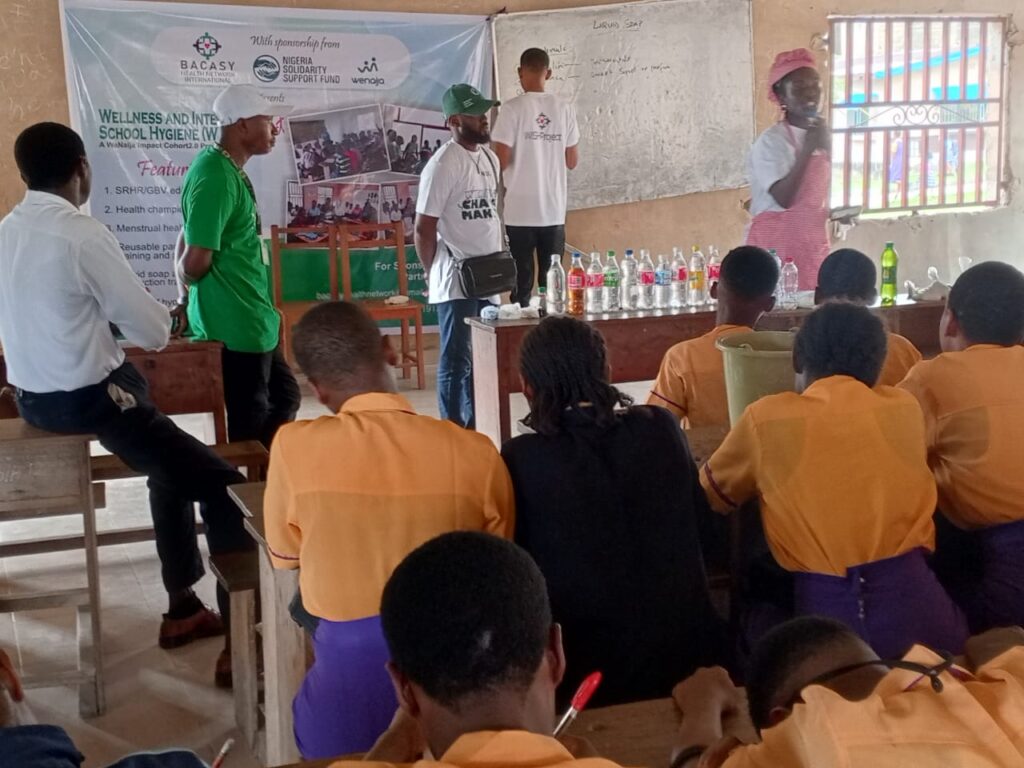
The initiative, currently in its pilot phase, is being implemented in one school, with plans to expand to other institutions across Calabar and eventually rural communities where the need is greatest.
Ekpenyong described the initiative as a “cycle of impact,” where opportunities created by national programmes are translated into grassroots interventions that directly benefit communities.
He also expressed gratitude to Brotherhood Mother College, his alma mater, for hosting the programme and supporting its implementation.
With its integrated approach combining health education, skills acquisition, and economic empowerment, the WISH Project is emerging as a model for addressing menstrual health challenges among adolescents in Nigeria.