By: Joe Ephraim, Calabàr
The Cross River State Government has commenced the disbursement of ₦50,000 to vulnerable residents across the state under its Social Investment Programme, as part of efforts to alleviate poverty and cushion the effects of the prevailing economic hardship.
The state government said the payments, which began about five days before the announcement, were being made to beneficiaries identified through a social register being developed to capture vulnerable persons across the state’s 196 wards.
The initiative, as stated by Dr. Edem Okokon Effiom, the state coordinator for the Cross River State Social Investment Programme and Protection, aims to assist 150 individuals in each ward. This includes 100 participants under the conditional cash transfer program and an additional 50 people who have gained vocational skills but need financial support to start their businesses.
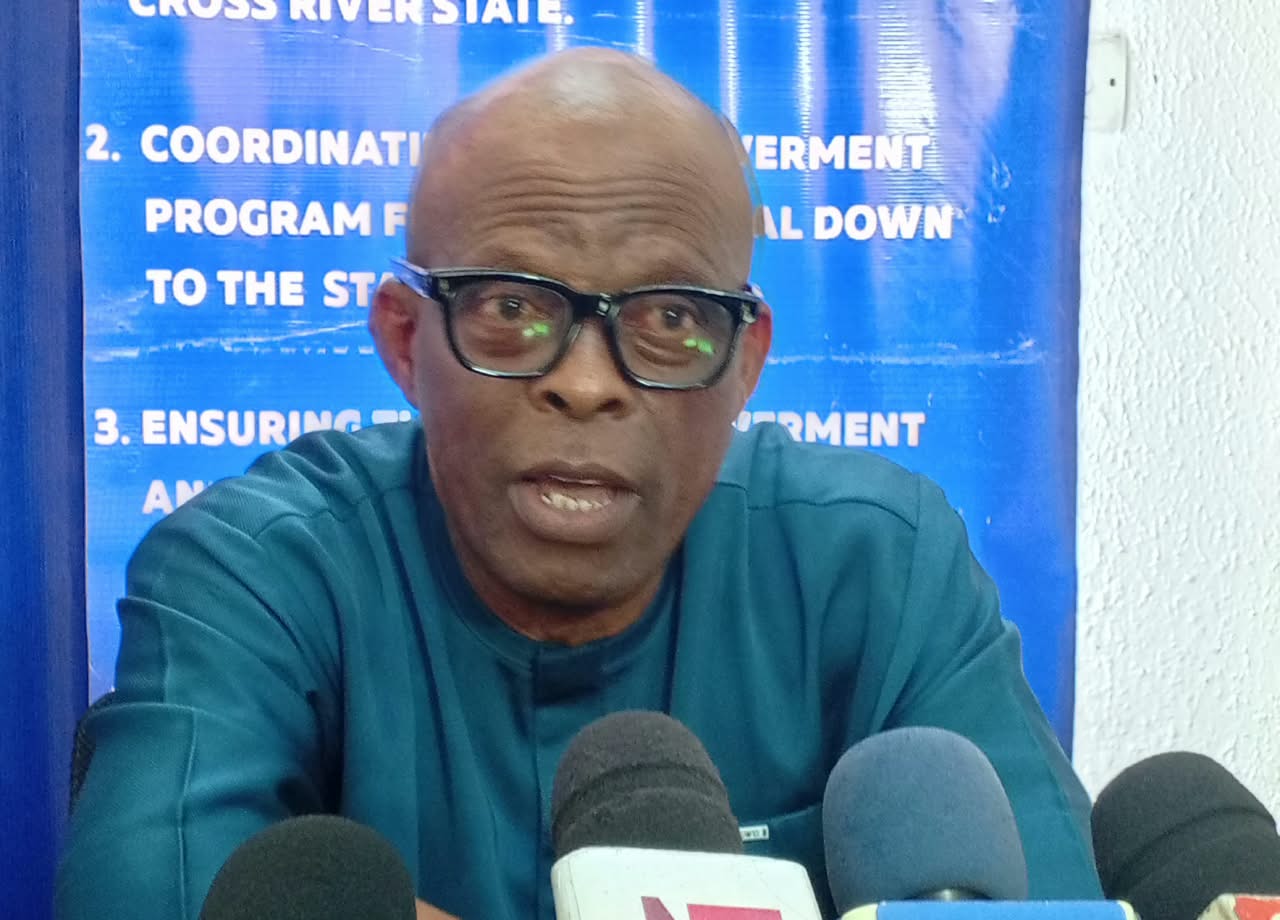
Explaining the initiative at a press conference, the coordinator said the beneficiaries were drawn from different segments of society, including churches, traditional institutions, women’s organisations and youth groups, to ensure inclusiveness and prevent the concentration of benefits in particular communities or interest groups..
He explained that the government had adopted the approach because poverty and vulnerability cut across religious, traditional and social boundaries, adding that the selection process involved asking the different groups to nominate their most vulnerable members.
Effiom said the social register was still being developed and was not yet perfect, noting that the government was working to address gaps and resolve challenges relating to beneficiaries’ bank account details, Bank Verification Numbers (BVNs) and other registration issues.
The coordinator clarified that the ₦50,000 payments were being made under the state government’s Social Investment Programme and were not connected to a separate online scheme circulating on social media, which he described as fraudulen
t.
He stressed that the initiative was neither a loan nor a conventional one-off grant but an investment in the poorest and most vulnerable members of society, expressing optimism that the state government would sustain and expand the programme as resources permitted.
Addressing concerns about possible favouritism and political interference in the selection process, the official said the government had adopted a decentralised nomination system involving different social groups to minimise manipulation and ensure that assistance reached those who genuinely needed it.
He, however, acknowledged that the digital registration process had not adequately captured persons living with disabilities and other hard-to-reach communities, particularly those in difficult riverine and rural settlements.
He assured that the register would be continually reviewed to accommodate excluded groups and correct identified deficiencies, while appealing to journalists and members of the public to monitor the programme and demand accountability to ensure its sustainability.
He urged the media to go beyond reporting the commencement of the intervention and hold the government accountable for its implementation, warning that inadequate public scrutiny and corruption had contributed to the collapse of some social intervention programmes in the past.