By:Joe Ephraim, Calabar
The Cross River State Government has said it is shifting its youth development strategy from one-off empowerment programmes to sustainable interventions focused on skills acquisition, employment, entrepreneurship and participation in governance.
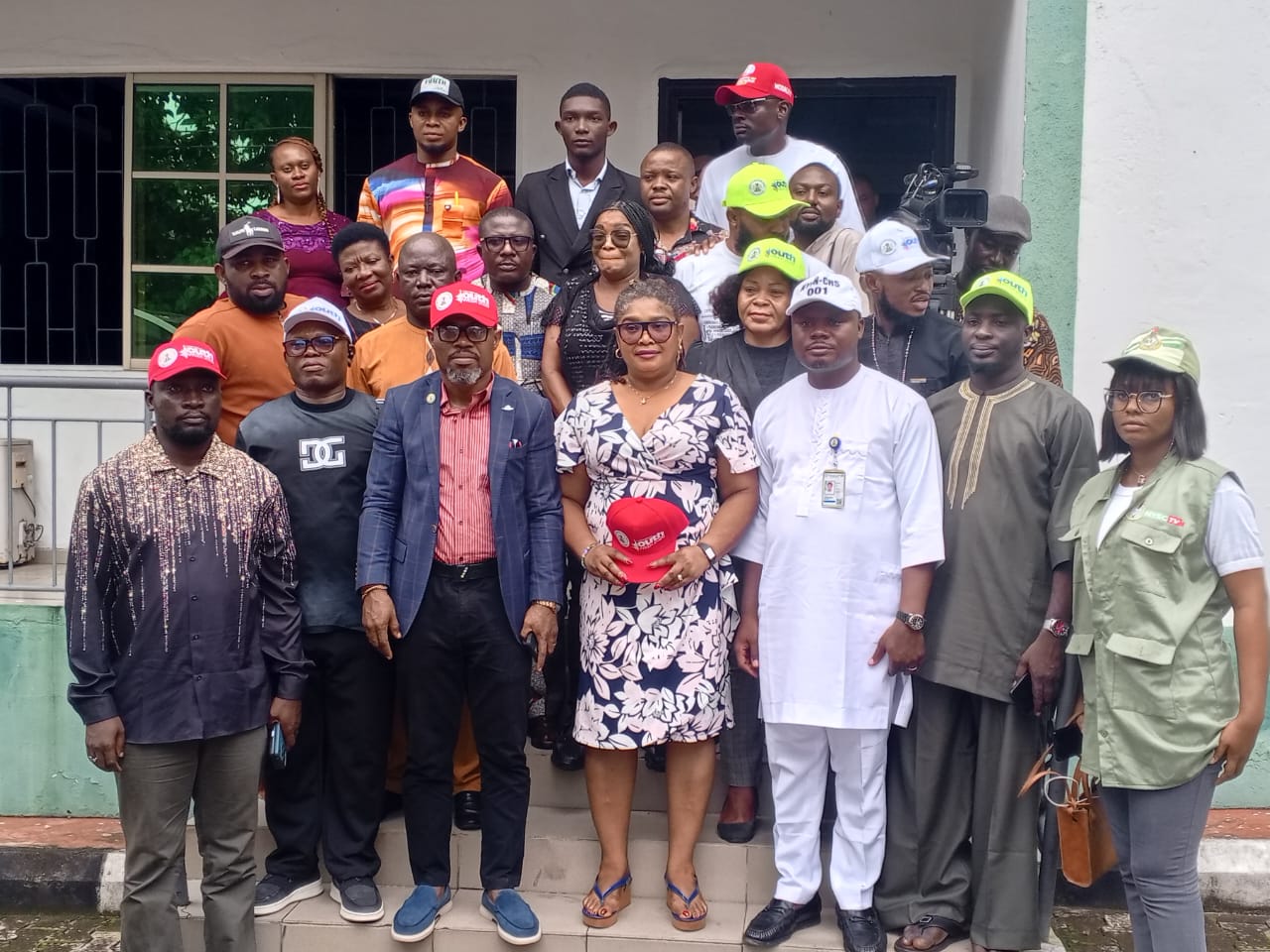
The Commissioner for Youth Development and Skills Acquisition in Cross River State, Barr. Odum Ijom Ukam stated this in Calabar at a World Press Conference to mark the 2026 International Youth Day.
Speaking on the theme, “Different Contexts, Common Aspirations: Advancing the People-First Agenda through Sustainable Youth Development,” the commissioner said the government recognised young people as partners in development rather than mere beneficiaries of government programmes.
According to him, the state’s domesticated theme reflects the peculiar circumstances of young people across the 18 local government areas, noting that while their challenges may differ, their aspirations for decent employment, relevant skills, access to finance, participation in governance and opportunities remain common.
He said the administration had adopted a youth development framework centred on skills, opportunities, experience, enterprise, partnerships and participation.
Highlighting the ministry’s flagship Skills in the Hands Programme, the commissioner said the initiative was designed to equip young people with practical skills and create pathways through which such skills could translate into sustainable livelihoods.
He said the government was determined to strengthen the link between skills acquisition, entrepreneurship, enterprise development and emerging demands of the modern economy.
“Education without employability pathways can leave young people frustrated. Skills without opportunities can equally become underutilised,” he said.
The commissioner also identified paid internship as another major intervention aimed at addressing the “experience paradox” confronting young graduates.
Ukam explained that many young people were required to have work experience before securing employment, but could not acquire such experience without being given an opportunity.
According to him, the state’s paid internship initiative would enable young people to acquire practical workplace experience, develop professional competencies, understand institutional processes and build networks that could improve their prospects for long-term employment and entrepreneurship.
He said the state was also leveraging its partnership with the United Nations Nigerian Jubilee Fellowship Programme to expose young people to structured work opportunities and professional environments.
The commissioner stressed that government alone could not address the scale of challenges confronting young people, calling for stronger collaboration among the private sector, development partners, financial institutions, civil society organisations, universities and other stakeholders.
Ukam said youth participation in governance must go beyond inviting young people to government programmes, insisting that they should be involved in the conception, design, implementation and evaluation of policies and programmes affecting them.
He said the state government envisioned a situation where young people could confidently say that government listened to them, worked with them, created opportunities for them and recognised them as partners in development.
The commissioner further disclosed that the 2026 International Youth Day celebration in Cross River would go beyond speeches and ceremonial activities, providing a platform for young people to showcase their talents, innovations, creativity, skills and contributions to society.
He said the celebration would highlight achievements in entrepreneurship, innovation, creative industries, sports, technology and community development.
The commissioner, however, acknowledged persistent challenges including youth unemployment and underemployment, limited access to capital, digital exclusion, skills mismatch, inadequate entrepreneurial opportunities and limited participation in decision-making.
He consequently called on the private sector and development partners to increase investment in youth development, urging businesses to provide internships, institutions to support apprenticeships and investors to finance youth-led enterprises.
He also called on technology companies to create digital opportunities and development partners to support scalable youth programmes, adding that the government was determined not to define young people by their challenges but by their potential.
“Investing in young people is not charity. It is economic and social investment,” he said.
The commissioner urged young people in the state to acquire skills, build networks, innovate, volunteer, participate in their communities and take advantage of legitimate opportunities provided by government and other stakeholders.
He said the Ministry of Youth Development would continue to pursue an inclusive, skills-oriented, employment-focused, entrepreneurship-driven, partnership-based, innovation-led, participatory and sustainable youth development framework.
He added that the government’s ultimate objective was to ensure that young people were not left at the margins of development.
The commissioner also appealed to the media to continue telling positive stories about young people while holding stakeholders accountable and keeping youth development at the centre of public discourse.
He said: “Together, we can transform the energy of our young people into the engine of sustainable development. Together, we can advance the People-First Agenda. Together, we can build a Cross River State where no young person is left behind.”